The one thing only
you can claim.
Built from what is already distinct.
Stage 3 of 5 · ExpressOwn your difference →
Positioning, naming, and visual systems built to hold up once real customers meet them.
Brand: a category-default card full of buzzwords, versus positioning built on what only this business can claim.
Product design and platform engineering from first prototype to systems running at scale.
Software: a stack-first pitch full of hype, versus software built around the business problem.
It’s time to own your difference.
It usually starts as friction somewhere in the business — software is just the name for one possible fix, not the starting diagnosis.
The team is spending time on repetitive work that a system should be handling instead.
The information that matters is trapped across tools that were never built to share it.
What used to work is now the thing creating friction and setting the pace of growth.
The technology experience has quietly become part of why customers stay, leave or hesitate.
We first understand the business, the users, the workflows and the constraints. Then we work out whether the answer is a product, software, automation, an integration, a modernization — or something simpler than any of those.
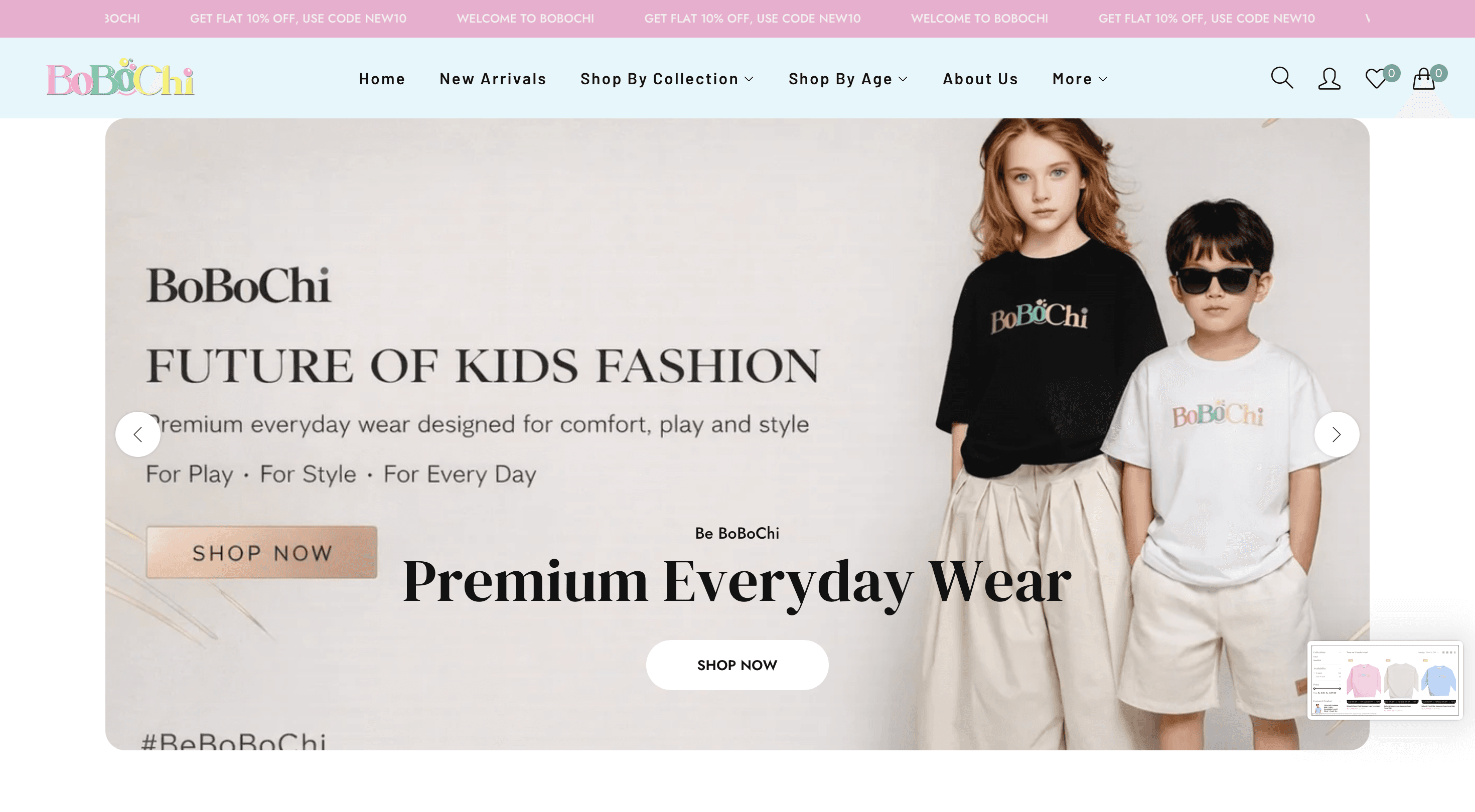
Brand identity and e-commerce storefront for a premium kids' fashion label — soft, considered design for everyday wear, ages 4–10.
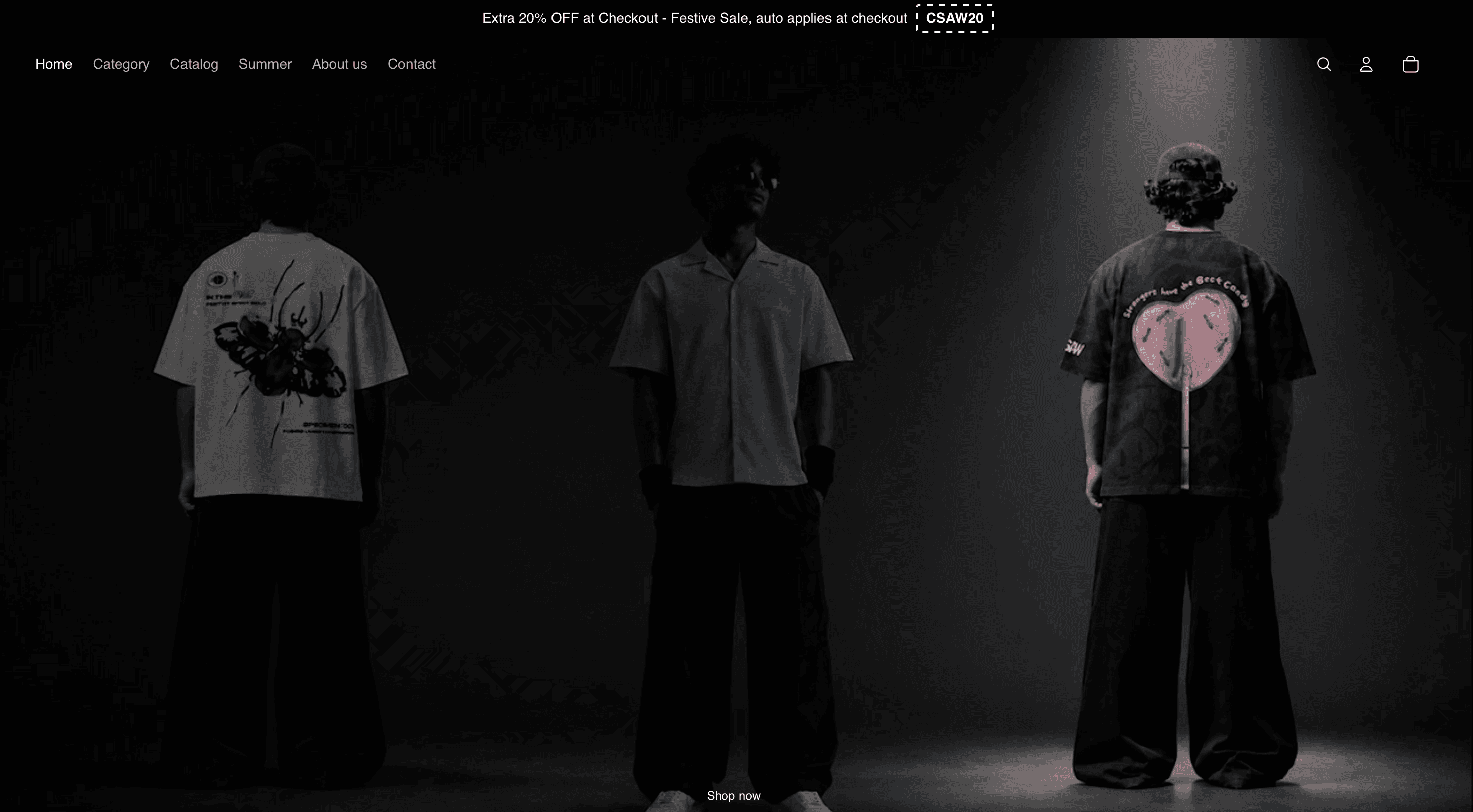
E-commerce and product-line presentation for a concept-driven streetwear label — carrying a wordplay concept through into how products are actually named and organized, not just the tagline.
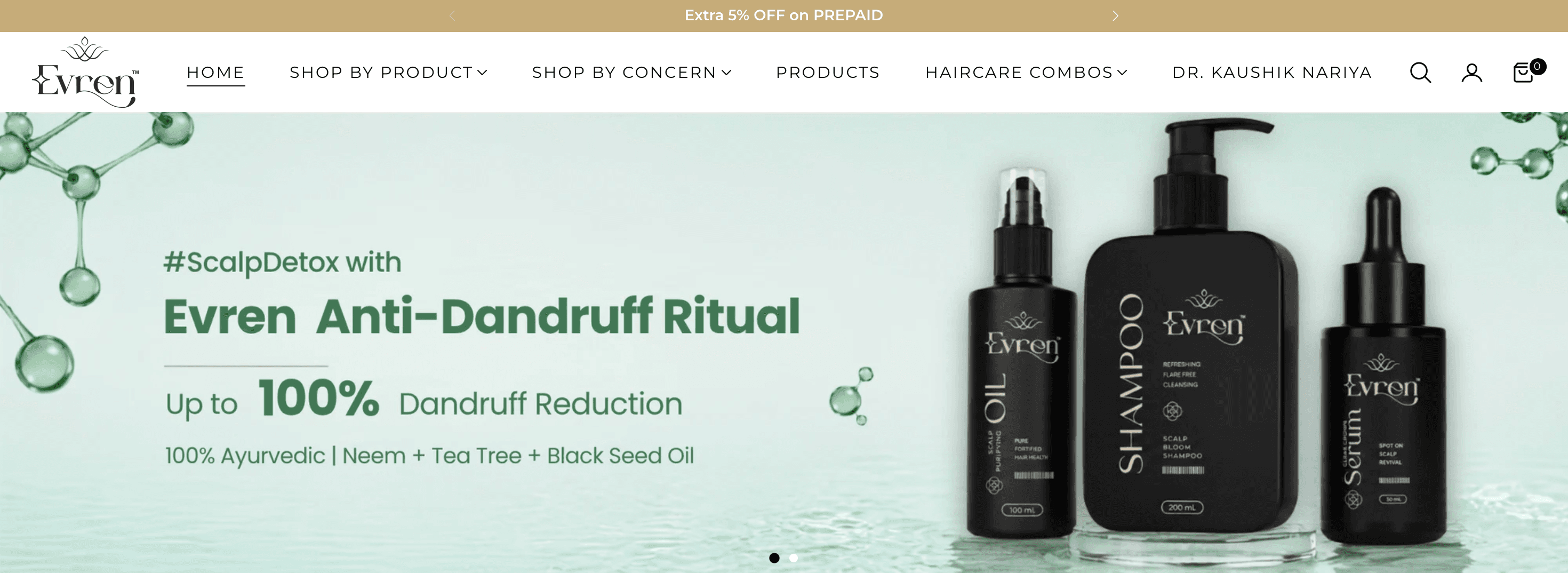
E-commerce UX rebuild, brand enhancement and SEO for an Ayurvedic haircare label — turning real product credibility into the conversions and repeat customers it already deserved.
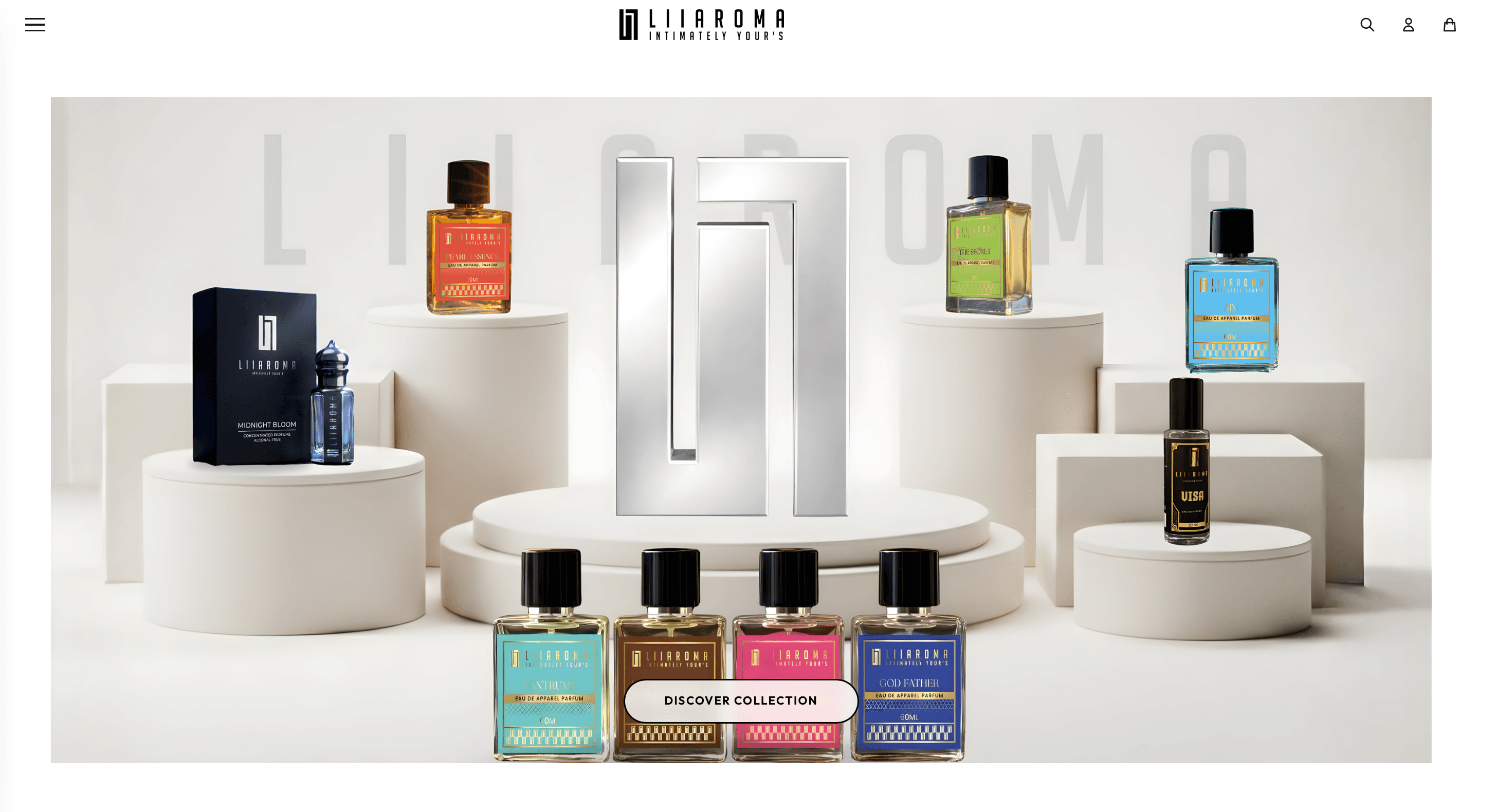
A digital presence rebuilt from scratch, with a new website and a stronger, more credible image for the brand online.
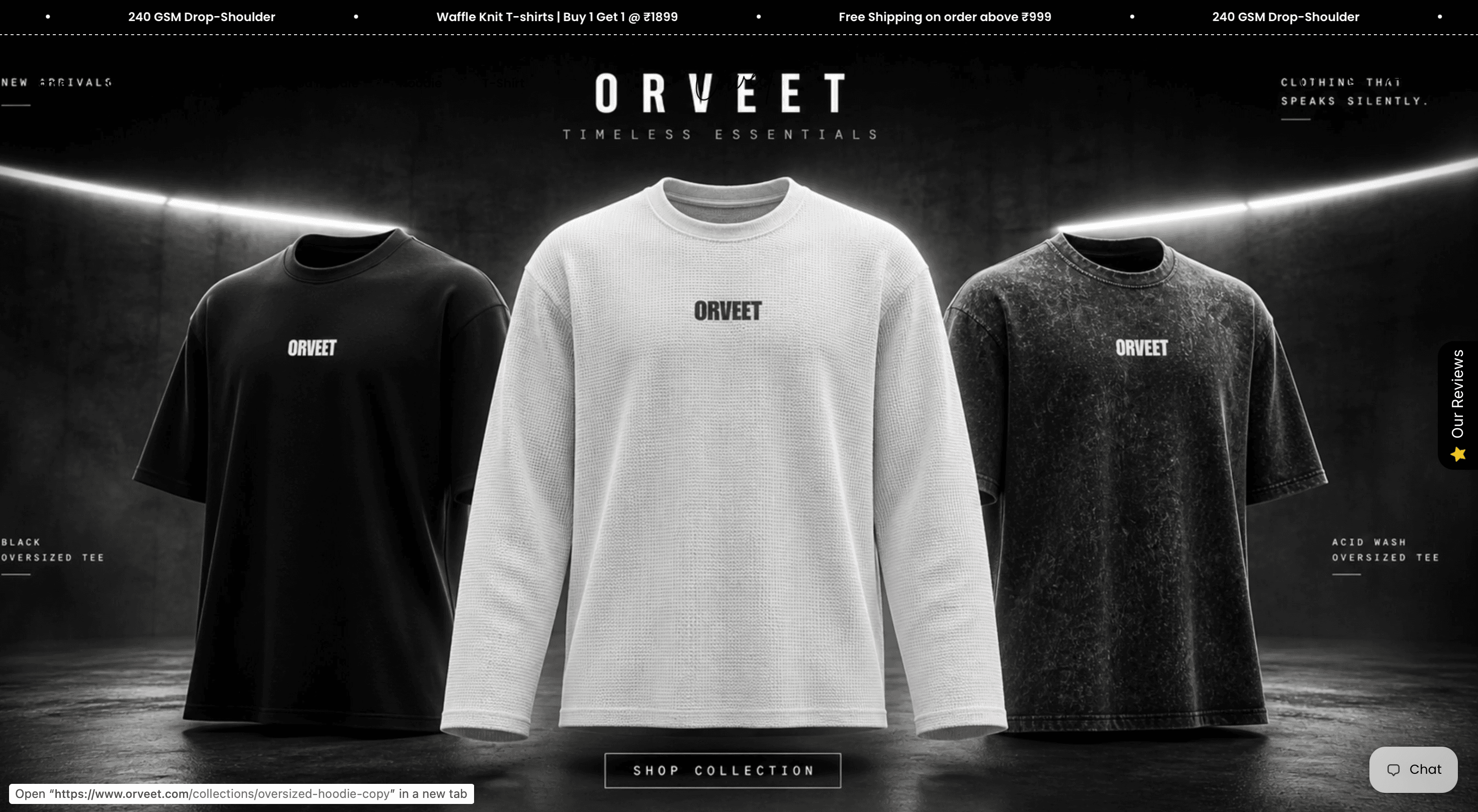
Digital presence and e-commerce experience for a premium streetwear label — proving a minimal, premium positioning through the site itself, not just repeating it.
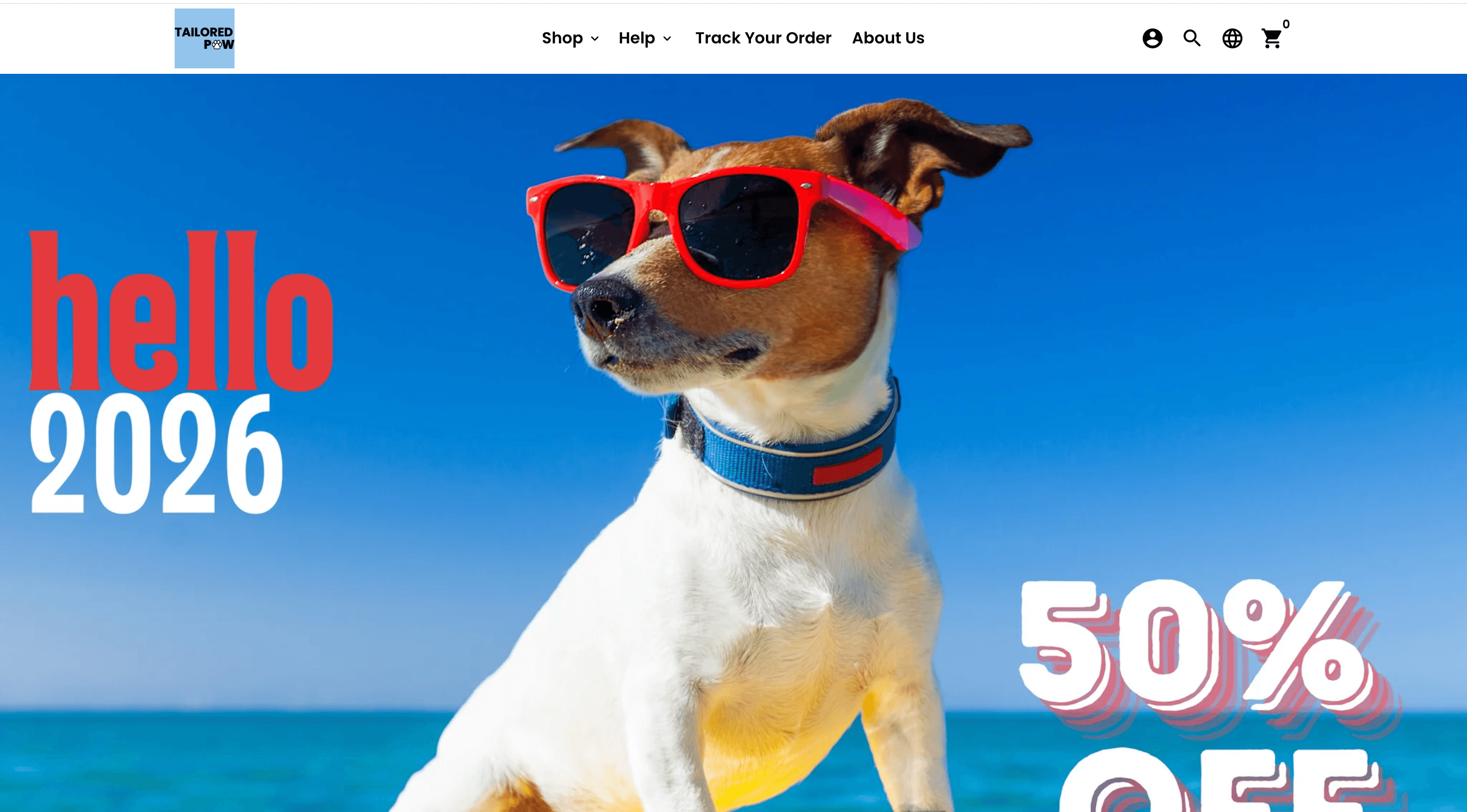
E-commerce experience for a personalization-first pet accessories brand — defusing the specific risk custom orders create, at the exact moment a visitor feels it.
A website, a platform, a campaign stack — each of them is a deliverable, and each of them is easy to buy. What is hard to buy is the compounding: the version where shipping the thing makes the next thing cheaper, faster and more obvious.
So we build for the second year, not the launch week. Systems that hold their shape as the team grows, and a demand engine that keeps returning after the campaign budget stops. Leverage is what is left when the project ends.
Not every technology problem needs new software. We don't assume the answer before we've looked at what's actually causing the friction.
Where manual work, disconnected tools or ageing systems are quietly taxing the business.
What's missing between how the business runs today and how it needs to run next.
The specific fix that closes it — not necessarily the same one as last time.
Sometimes that's an integration. Sometimes it's automation. Sometimes an existing system needs redesigning, not replacing. Sometimes custom software is the right answer — we work that out before we build anything.
A software engagement leans on BUILD and GROW, but it starts where the position does. Nothing is built before there is something to express.
Four kinds of problem repeat across the work below — the technology under each one is chosen to fit, not decided in advance.
All four stages run on every engagement. Software work joins where the position is settled and the building starts.
Find what's worth owning.
Make it recognizable.
Make it real.
Make it compound.
We don't begin with a preferred framework, language or platform. We begin with the users, the requirements, the workflows and the constraints — then choose whatever technology makes sense for those.
Technology agnostic. Business obsessed.
"We didn't just get a logo — we got a business the market finally understood. BE YOUR OWN figured out we were selling to parents, not kids, and everything about the brand changed once that clicked. We've grown roughly 3x since launch, and for the first time, people who'd never heard of us recognize what we stand for."
"Our old site didn't look like us at all — it looked like every other perfume seller online. Now it actually feels like the brand we built. That's the difference that matters before someone even smells the product."
"Customizing something for your pet feels riskier than buying off the shelf — what if it doesn't come out right? Now the guarantee and the photo guide answer that before anyone even asks it out loud."
"Anyone can put a good line on their homepage. What made this work is that 'seesaw' shows up in the actual product names now — you get the idea even if you never read a word of the brand copy."
"We wanted the site to feel as considered as the clothes themselves — restrained, not empty. That's exactly what came out of this."
"Our site used to lose people before they even got to the product page — it just wasn't built for how someone actually shops. BE YOUR OWN rebuilt the experience, sharpened the brand, and got us actually found in search. The difference isn't just new customers — it's the same customers coming back."
"Parents don't just want to hear '95% placement' anymore — they want to see it. This page finally lets them look for themselves instead of taking our word for it."
"We didn't just get a logo — we got a business the market finally understood. BE YOUR OWN figured out we were selling to parents, not kids, and everything about the brand changed once that clicked. We've grown roughly 3x since launch, and for the first time, people who'd never heard of us recognize what we stand for."
"Anyone can put a good line on their homepage. What made this work is that 'seesaw' shows up in the actual product names now — you get the idea even if you never read a word of the brand copy."
"Our site used to lose people before they even got to the product page — it just wasn't built for how someone actually shops. BE YOUR OWN rebuilt the experience, sharpened the brand, and got us actually found in search. The difference isn't just new customers — it's the same customers coming back."
"Our old site didn't look like us at all — it looked like every other perfume seller online. Now it actually feels like the brand we built. That's the difference that matters before someone even smells the product."
"We wanted the site to feel as considered as the clothes themselves — restrained, not empty. That's exactly what came out of this."
"Parents don't just want to hear '95% placement' anymore — they want to see it. This page finally lets them look for themselves instead of taking our word for it."
"Customizing something for your pet feels riskier than buying off the shelf — what if it doesn't come out right? Now the guarantee and the photo guide answer that before anyone even asks it out loud."
Every interaction with your website, product or platform shapes how customers experience the business. That's why technology isn't only an operational decision — it's a brand decision too.
You just need to know something isn't working. We'll help you understand what needs to change — and what should be built.